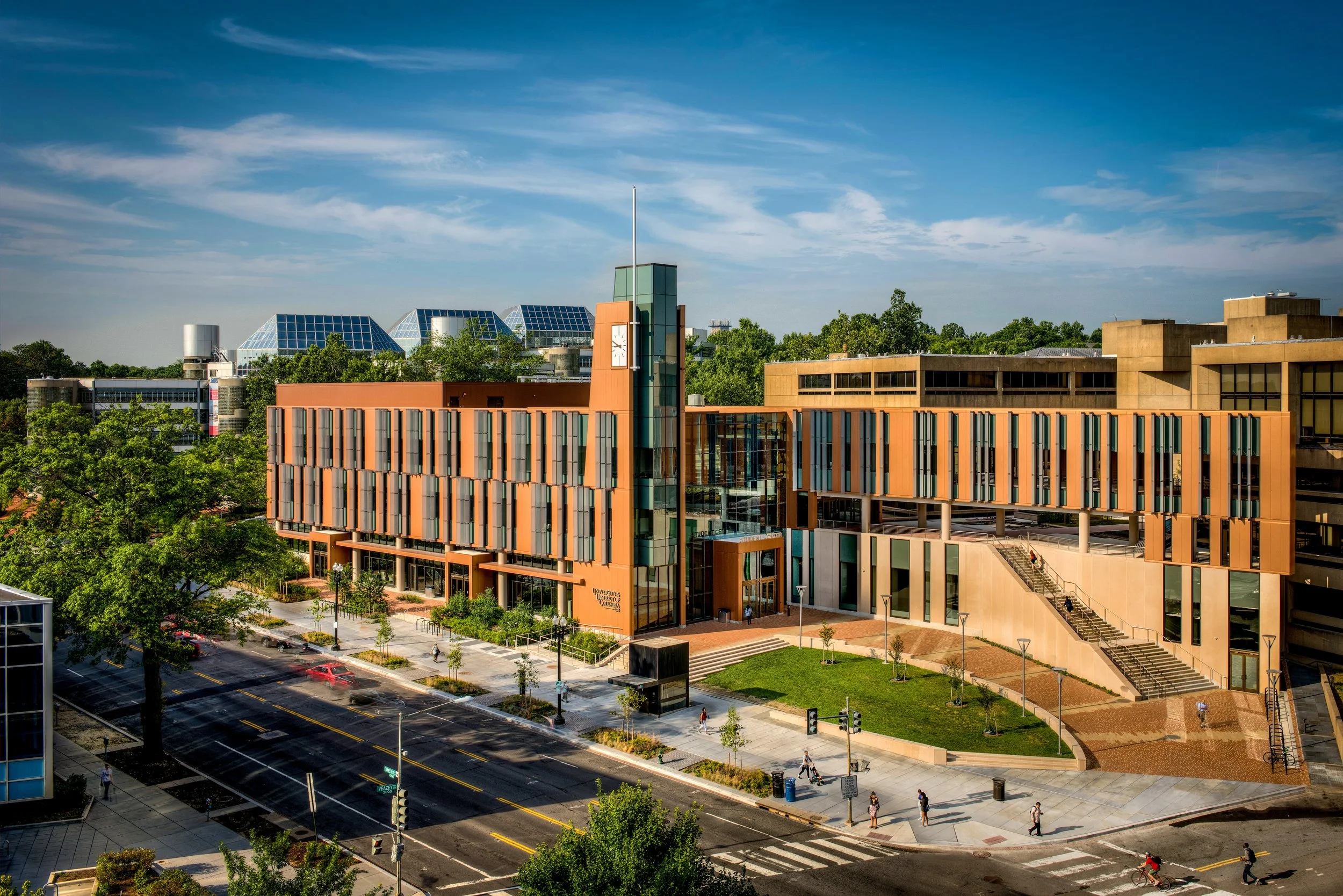

The University of the District of Columbia (UDC), an HBCU and the nation’s only public urban land-grant institution of higher learning is a vital hub for research, equity, and transformation in the heart of Washington, D.C. At the center of this mission is the Crime, Justice, and Security Studies (CJSS) program. Housed within the Division of Social and Behavioral Sciences, the CJSS program offers a M.S. in Homeland Security and a B.A. in the Administration of Justice and serves as a training ground for the next generation of leaders dedicated to analyzing the complex organizational structures of the justice system through an interdisciplinary lens.

College of Arts and Sciences
The College of Arts and Sciences (CAS) at the University of the District of Columbia prepares students to understand and address the complex challenges shaping today’s world. Through interdisciplinary programs in the social sciences, STEM, humanities, and public service fields, CAS emphasizes hands-on learning, critical thinking, and the practical application of knowledge beyond the classroom.
Rooted in UDC’s mission of access and community impact, CAS connects academic training to real-world problem solving. Students develop the technical, analytical, and collaborative skills needed to work across sectors, engage diverse communities, and contribute meaningful solutions at the local, national, and global levels.
Division of Social and Behavioral Sciences
Today’s world is experiencing unprecedented change alongside significant opportunity, and the choices made today will shape the course of the future. The Division of Social and Behavioral Sciences is committed to making meaningful contributions at the local, national, and global levels. It serves as an incubator for future leaders and problem-solvers, equipping students across its diverse disciplines with the intellectual tools, critical thinking skills, commitment to service, cultural understanding, and ethical awareness needed to navigate and influence complex social dynamics and emerging technological challenges in a rapidly evolving world.
These academic programs are supported by a wide range of research, outreach, and training initiatives, including the Institute for Public Safety and Justice (IPSJ), the Homeland Security Research Lab, the Social Development and Identity Formation (SDI) Lab, the Experimental Psychology Lab, the Mindful and Courageous Action (MICA) Lab, and the Interdisciplinary Research Lab (IRL), which houses an AI server, among others.
Crime, Justice, & Security Studies
Crime, Justice and Security Studies (CJSS)
The CJSS program confers two degrees of study: a Bachelor of Arts in Administration of Justice and a Master of Science in Homeland Security
As a host of the 2026 Summer Institute in Computational Social Science (SICSS-UDC), the CJSS program is expanding this mission into the digital age. By bridging the gap between foundational community advocacy and advanced data analytics, the program empowers scholars to move beyond traditional boundaries. Whether modeling urban disaster resilience or analyzing the "Algorithm of Accelerationism," data is a powerful tool for social change. By bringing together global researchers to apply computational tools to the most pressing security and societal challenges of our time, the CJSS program reinforces UDC’s position as a center for innovation, equity, and meaningful public impact.
The program’s identity is deeply rooted in a legacy of evidence-based practice and community-centered solutions. Through its Institute for Public Safety and Justice, the Crime, Justice, & Security Studies (CJSS) Program has engaged with a range of activities:
Worked with the Office of University Programs to develop and implement the National Legal Preparedness Training Program, successive Homeland Security STEM Programs, and developed a climate change database for emergency managers
Implemented the annual Citizen Diplomacy Program
CJSS has consistently translated social science theory into real-world impact.
These efforts occur against a backdrop of applied research and computational social science modeling, underscoring a commitment to improving equity, fostering international dialogue, and deploying restorative justice models within the urban landscape.
The addition of our new Artificial Intelligence Social and Behavioral Science Lab further expands our research activity to integrate computational social science at scale.
Meet the Team
-
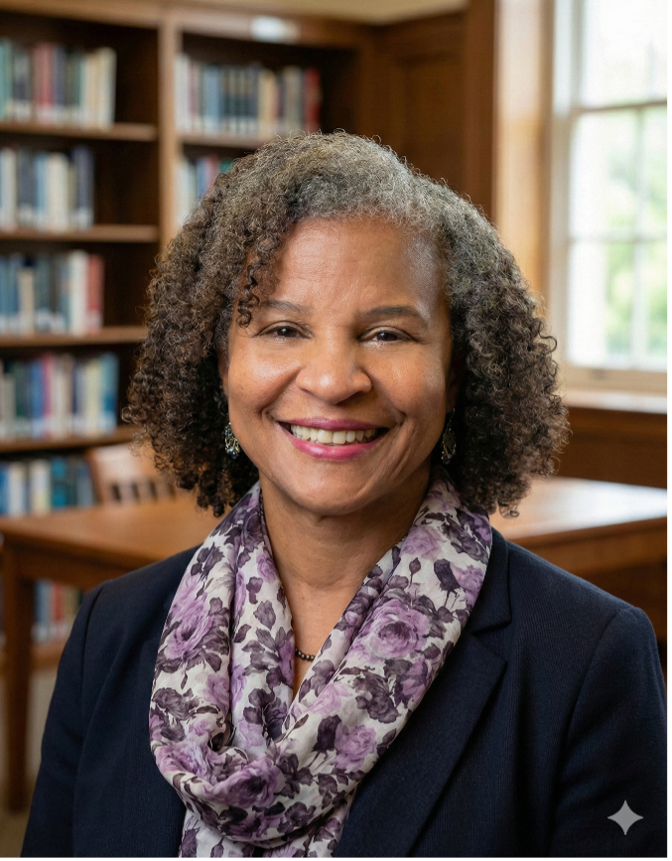
Dr. Andrea Adams, Ph.D., J.D., M.B.A.
SICSS Fellow
Program Coordinator of Crime, Justice, & Security Studies -
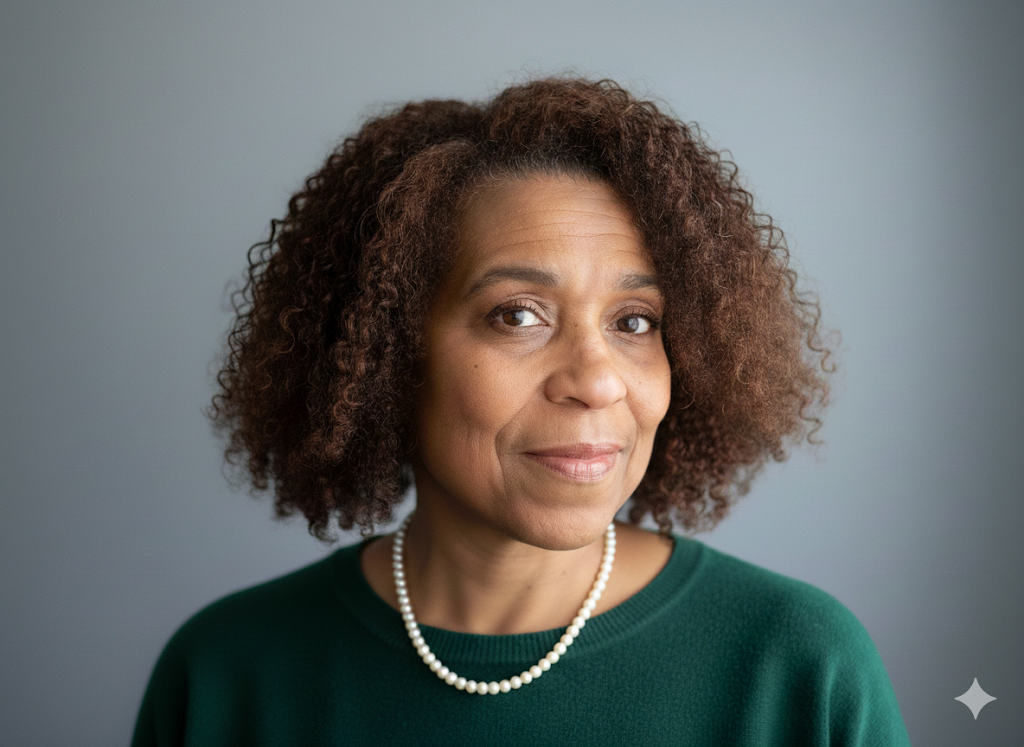
Dr. Angelyn Spaulding Flowers, J.D., Ph.D.
Professor & Chairperson, Division of Social & Behavioral Sciences
-
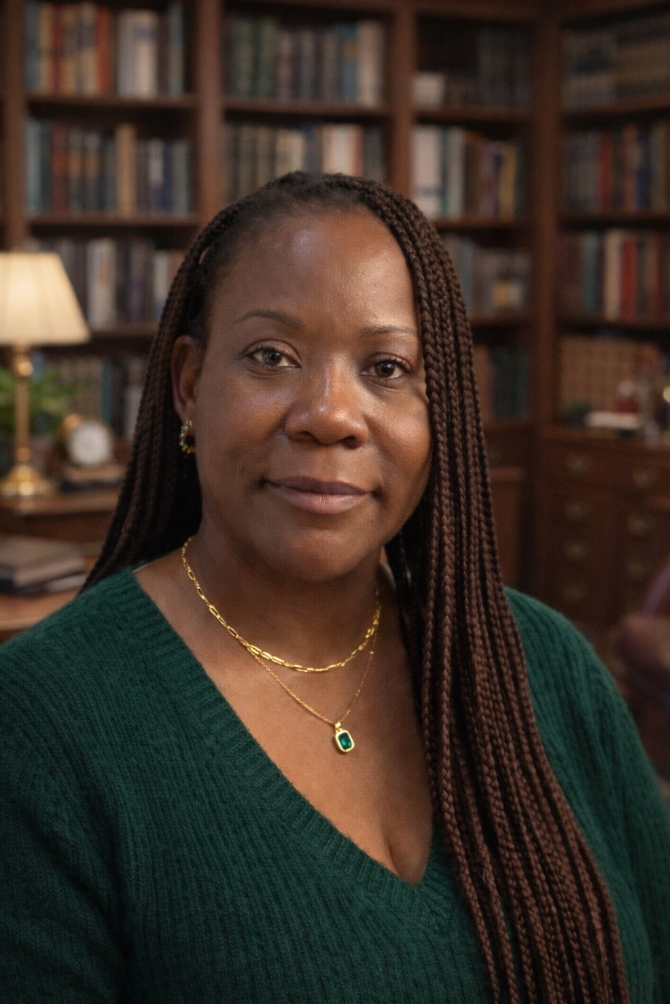
Cotina Lane Pixley, M.S.
Clinical Instructor of Crime, Justice, & Security Studies
-
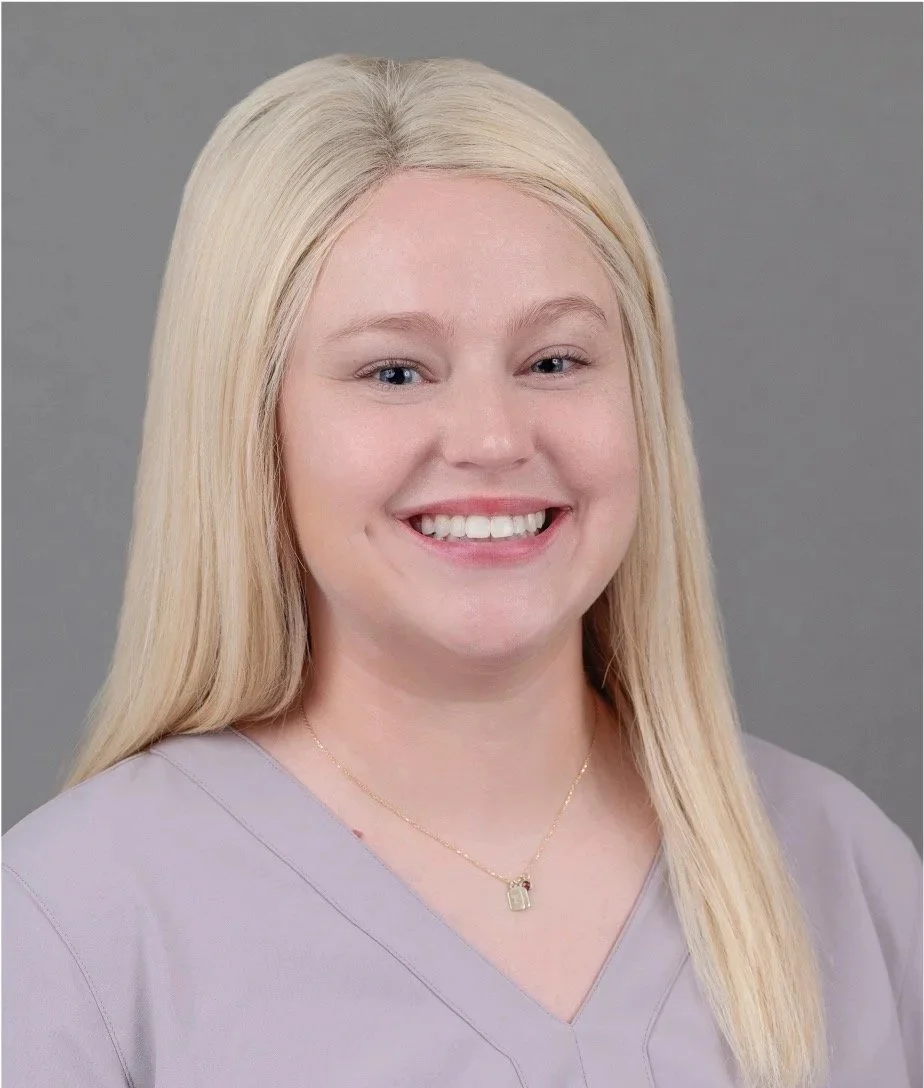
Tayler Shreve, M.A.
Clinical Instructor of Crime, Justice, & Security Studies